

For many parents, the teenage years can feel like stepping into unfamiliar territory.
The child who once eagerly shared every detail of their day may become quieter.
Conversations can become shorter, emotions stronger, and disagreements more
frequent. Parents often find themselves wondering: What happened to my child?
Yet from an Islamic perspective, adolescence is not a problem to be solved but a
stage to be shepherded with wisdom, patience, and compassion. The teenage years
are a critical period of growth in which young people are discovering who they are,
what they believe, and how they fit into the world around them. Rather than viewing
this phase as a battle for control, parents can see it as an opportunity to strengthen
their relationship with their children and deepen their connection to Allah.
The Qur’an repeatedly reminds us that human beings develop through stages. Allah
says:
“He created you in stages.” (Qur’an 71:14)
Just as infancy and childhood bring unique challenges, adolescence is a natural
stage of development. Teenagers are experiencing significant physical, emotional,
intellectual, and spiritual changes. They are beginning to think independently, ask
deeper questions, and seek greater autonomy. These developments are not signs of
failure in parenting; they are signs of growth.
One of the greatest gifts parents can offer during these years is understanding. Many
teenagers do not need parents who have all the answers. They need parents who
are willing to listen. In today’s fast-paced world, advice is abundant, but attentive
listening is rare.
The Prophet ﷺ demonstrated extraordinary attentiveness in his interactions with
young people. He listened, engaged, and treated them with dignity. Whether
speaking to Ibn Abbas, Anas ibn Malik, or the young companions around him, he
recognized their potential and nurtured their confidence. He corrected mistakes with
wisdom and gentleness rather than humiliation.
This Prophetic approach remains highly relevant today. Modern parenting research
consistently shows that strong parent-child relationships are built upon connection
before correction. Teenagers are more likely to accept guidance from parents who
make them feel heard and respected.
This does not mean abandoning boundaries. Islam values both mercy and structure.
Young people need clear expectations and moral guidance. However, the manner in
which those expectations are communicated matters greatly. Constant criticism,
excessive lecturing, or responding to every disagreement with anger can push
teenagers away at the very time they need their parents most.
The Qur’an offers a beautiful example in the conversation between Luqman and his
son. Notice that Luqman teaches through dialogue, wisdom, and affection. The
repeated phrase, “O my dear son,” reflects warmth and connection even while
addressing serious matters of faith and character. This teaches parents that
guidance is most effective when delivered through a relationship built on love and
trust.
Today’s teenagers are also growing up in a world unlike any previous generation.
They face pressures from social media, online influences, academic expectations,
identity questions, and a constant stream of information. Many are navigating
challenges that parents never experienced at their age.
For this reason, effective parenting requires curiosity as much as authority. Parents
should strive to understand their children’s world rather than dismiss it. Asking
questions, learning about their interests, and engaging with their experiences helps
build bridges of communication. A teenager who feels understood is far more likely
to seek parental guidance when facing difficulties.
Another important shift during adolescence is the transition from direct control to
influence. During childhood, parents can manage much of a child’s environment.
During the teenage years, influence becomes more important than control. The goal
is no longer merely to ensure obedience but to cultivate internal conviction.
This is where Islamic tarbiyyah becomes essential. Teenagers need opportunities to
develop a personal relationship with Allah. They should be encouraged to ask
questions about faith, explore Islamic teachings, and understand the wisdom behind
religious practices. When faith is presented only as a set of rules, it may feel
burdensome. When it is presented as a source of meaning, purpose, and connection
with their Creator, it becomes transformative.
Parents should also remember that mistakes are a normal part of growth. Teenagers
will make poor decisions, experience setbacks, and occasionally disappoint
expectations. While accountability remains important, parents should avoid defining
their children by their mistakes. The Islamic tradition is built upon repentance,
growth, and hope.
Allah’s mercy is one of the most frequently repeated themes in the Qur’an. If Allah
continually opens the door of repentance for His servants, parents should likewise
strive to keep the doors of communication and reconciliation open for their children.
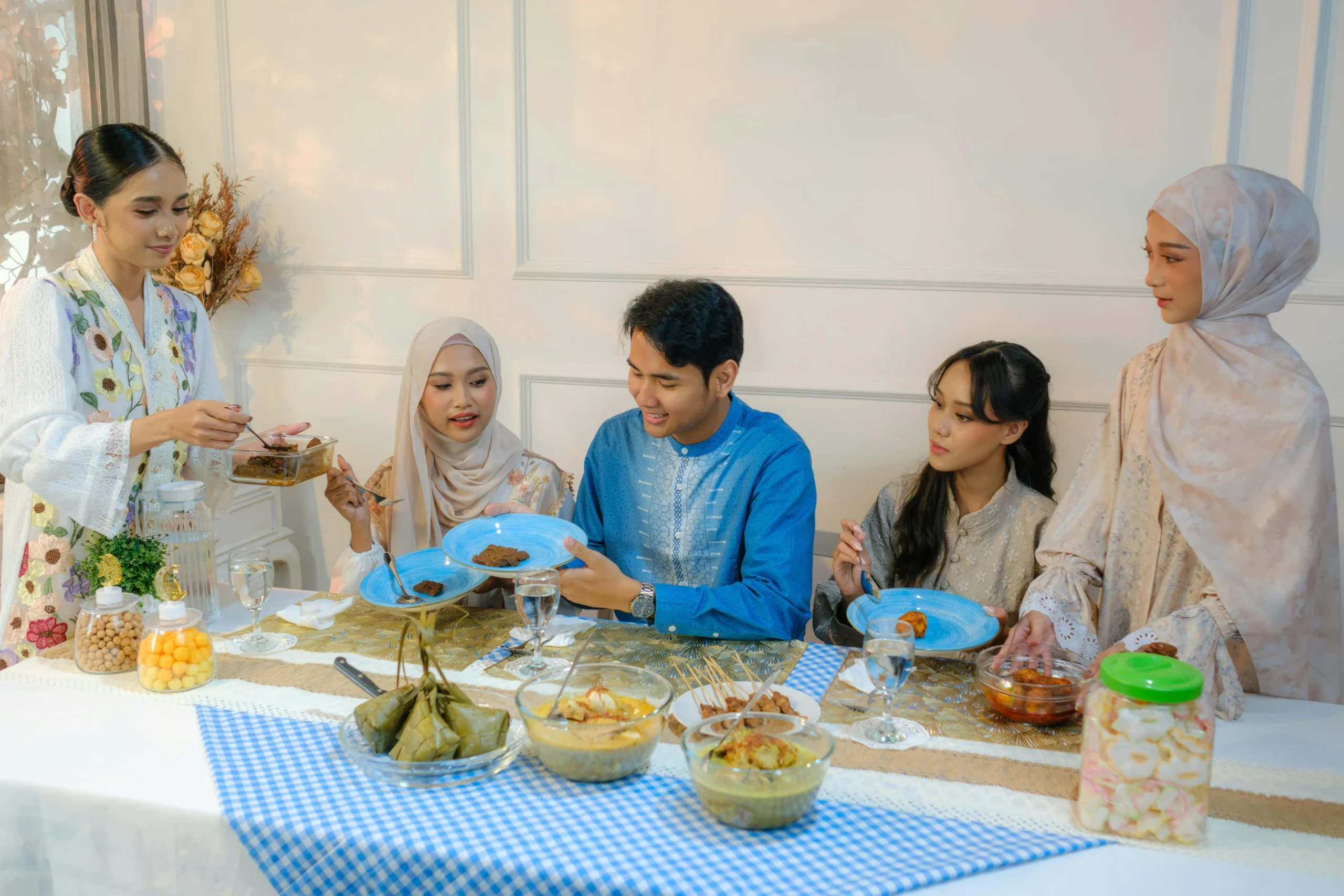
One practical habit that strengthens family relationships is creating regular
opportunities for connection without an agenda. Shared meals, walks, drives, sports,
family projects, or simply spending time together without lectures can build trust over
time. Meaningful relationships are often strengthened in ordinary moments rather
than dramatic conversations.
Parents should also never underestimate the power of dua. Guidance ultimately
comes from Allah. Alongside every conversation, boundary, and effort, parents
should consistently ask Allah to protect their children, strengthen their faith, and
guide their hearts. Some of the most profound changes occur through the blessings
of sincere supplication.
The teenage years are not merely a phase to survive. They are a season of
investment. The patience shown today, the conversations held today, and the
relationships nurtured today may shape a child’s faith and character for decades to
come.
As Muslim parents, our task is not to raise children who simply obey us while they
are young. Our task is to raise young adults who love Allah, trust their parents, think
wisely, and navigate life with strong values and good character.
When teenagers know they are loved, respected, guided, and prayed for, the family
becomes more than a household—it becomes a sanctuary. And in a world filled with
uncertainty, that sanctuary may be one of the greatest gifts parents can provide.
May Allah grant our children faith, wisdom, and righteous character, and may He
grant parents patience, insight, and mercy as they guide the next generation.